
In clinical practice, the term “alcohol use disorder” is used to describe someone with an alcohol addiction. Alcohol use disorder is an official diagnosis included in the Diagnostic and Statistical Manual of Mental Disorders. It is a legitimate medical condition that causes changes in the brain and makes it difficult to stop drinking. People with mental health disorders such as depression, anxiety, bipolar disorder, schizophrenia, etc., are at a higher risk of developing an alcohol use disorder. A few empirically validated practices can help identify strong treatment programs.
The Role of Brain Chemistry in Alcohol Dependency
As people begin to drink more frequently, alcohol produces desired feelings in the body and brain through the release of specific brain chemicals. With consistent drinking, the chemical output decreases, so a person drinks more to achieve the same results. Experiencing abuse or neglect, especially if this happened when you were a child, can also increase your risk of developing alcoholism in later life. While alcohol has addictive effects on its own, there are also psychological issues related to alcohol addiction.
What Is the Leading Cause of Alcoholism?
Studies showed that people drink more when there’s (any) music in the background, and one why do people become alcoholics showed that tempo matters — faster music leads to faster drinking. There are genes that code for the proteins that make up these two enzymes. Science shows that differences in these genes lead to structural distinctions in the enzymes and affect their function. These distinctions, in turn, allow some of us to metabolize alcohol more efficiently.
Genetics (Maybe family members liked Alcohol?)
Beyond these symptoms, drinking alone is also a major warning sign. If a person feels the compulsion to drink outside of social settings, this can indicate that they are starting to develop alcoholic behavior and may need an intervention. Alcohol triggers the brain’s reward system by releasing dopamine, making us feel good temporarily. Over time, the brain adjusts, lowering dopamine production, which can lead to dependence. This makes it harder to stop drinking, as cravings and withdrawal symptoms kick in.
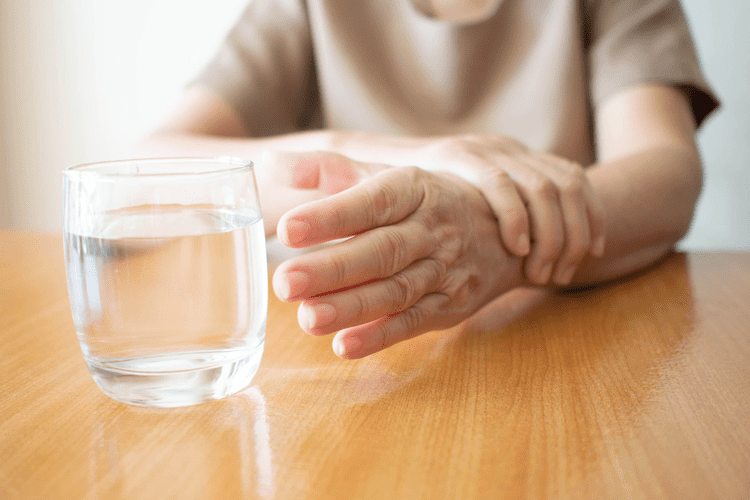
What is Alcohol Addiction?
Those who live near alcohol establishments, bars, and retail stores have easy access to alcohol. They’re more likely to participate in drinking activities. Those with intense cravings may experience an uncomfortable pull in two directions or sense a loss of control regarding alcohol. People who drink moderately may be able to say no to alcohol. They may go between drinks for days, weeks, months, or even years. They had been happily married for 40 years until the accident.

Since early drinking is known to be one of the causes of alcoholism, it is important that prevention programs are implemented to delay the onset of drinking behavior. Addiction is a psychological process, in the sense that a person’s thoughts become consumed by alcohol, and they behave in ways aimed at obtaining and using more. It is also a physical process, as the body can become physically dependent on alcohol. A person with dependence will experience uncomfortable withdrawal symptoms when not drinking, and they may drink just to avoid feeling these symptoms. To be diagnosed with alcohol use disorder, or AUD, we need to meet certain criteria outlined in the DSM-V. Some of these include the impaired ability to stop drinking, significant time spent recovering from the negative effects, and withdrawal symptoms when stopping.
Physical Dependence and Tolerance
- Because denial is common, you may feel like you don’t have a problem with drinking.
- This genetic predisposition explains why the condition is commonly “passed down,” or inherited.
- If you or a loved one is struggling, recovery is possible — and you’re not alone.
- Many people struggling with AUD also face mental health conditions such as depression, anxiety, bipolar disorder, or PTSD.
- With a high tolerance, you’ll need to drink even more to feel these effects, and will experience alcohol withdrawal symptoms when you stop drinking.
- Getting help for alcoholism at The Recovery Village Columbus can greatly improve the chances of overcoming alcohol addiction.
You’re more likely to drink heavily if everyone around you normalizes it. College campuses, workplaces, social events — alcohol is often the centerpiece. For more information on alcoholism, including treatment resources, check out the links on the next page. Drinking excessive amounts of alcohol can seriously harm your health, damaging the liver, kidneys, heart, brain and central nervous system. After the alcohol is absorbed, it enters your bloodstream and is carried throughout your body. As the alcohol acts upon the body, the body is simultaneously working to remove it.
Drinking to Cope with Stress

However, an individual who struggles with drinking may struggle to avoid alcohol consumption. If Ray could have been persuaded to https://siabogados.com.mx/2021/04/02/alcoholic-ketoacidosis-causes-symptoms-and-2/ seek help then from a mental health practitioner, for what was clearly depression, all might have ended very differently. Even if someone has already turned to drink, our methods of working with addiction are powerful, if a client is open to help. Recognizing these health risks can encourage people to take the steps necessary to stop excessive drinking.
#5: Trauma
Despite the differences in subtypes of “alcoholics,” AUD doesn’t define any one of us. No matter where we are in our relationship with alcohol, we can work on developing a healthier one through prevention and intervention. Genetics, psychological factors, social and cultural norms, and our environment all affect one another. Have you ever wondered drug addiction treatment why some of us stress-eat whereas others may lose their appetite and undereat? Our personality traits — how we respond and deal with stress, for example — can impact our inclination to reach for the bottle or avoid it. Since our personality can affect our behavior, it can play a major role in our consumption habits.