
Some people share their newfound curiosity on social media, which helps to normalise wanting to be more thoughtful about your drinking. The catalyst for drinking less, or not at all, is unique for each individual but can range from physical health reasons to mental clarity. But whatever the motivation, the ‘sober curious’ movement is becoming more mainstream, especially among young adults.
Health Conditions
While sobriety often sober curious refers to permanently abstaining from alcohol, sober curiosity involves exploring life without alcohol and deciding if it’s right for you. Most people won’t experience any major side effects of cutting down their drinking, but for some it can be dangerous to suddenly quit. “This depends on how much you’ve been drinking, for how long and the level of physical dependence on alcohol,” Macdonald explains.
Mental Health First
Some are motivated by health concerns, such as the desire to lose weight, improve sleep, or reduce the risk of chronic diseases linked to alcohol consumption. Others are driven by mental health considerations, recognizing that alcohol can exacerbate anxiety, depression, and other mental health issues. Being sober curious is about reflecting on what impact alcohol has on your life.
How Social Media Shapes Alcohol Choices (Expanded)
Being a mindful drinker means you actively pay attention to how alcohol impacts your life in all areas, from your quality of sleep to your relationships. Unlike going sober, it doesn’t necessarily mean cutting out all forms of alcohol forever, but rather reducing your intake or perhaps taking a pause and doing a “sober sprint” for a few months. If you’ve heard the term “mindful drinking” before but aren’t fully sure what it means—wonder no more!
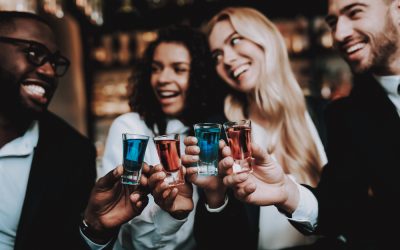
In the spring of 2024, the National Institute on Alcohol Abuse and Alcoholism (NIAAA) released its strategic plan for fiscal years 2024–2028, Advancing Alcohol Research to Promote Health and Well-Being. The strategic plan considers the long-term priorities of the alcohol research field while remaining flexible to adapt to emerging public health needs and scientific opportunities. 💙 Deepen your friendships and relationships in your life without relying on alcohol with the Meaningful Practice for Meaningful Friendship series. The freedom to drink pints, do shots, and be a ‘loud-mouthed mess’ was an act of rebellion and defiance; a declaration that I wasn’t afraid to take up space.
Awareness of Health Risks
Mindful drinking has also been shown to help improve sleep, lessen hunger, sharpen mental clarity, increase energy, improve mood, reduce anxiety, bolster relationships, and so much more. January 1 is a time when many of those people will decide to give up booze, whether for a month—due to the Dry January campaign—a year or longer. According to the research by The New Consumer/Coefficient, nearly a third of Americans plan to participate in some form of Dry January in 2025, either by cutting down or consuming zero alcohol for the month. Besides saving money and avoiding hangovers, there are several reported health benefits for people who reduce or quit drinking 45. A 2023 Gallup poll shows that while drinking rates have increased among older adults, alcohol consumption among 18 to 34-year-olds dropped by 10 percent over the past decade, from 72 percent to 62 percent. At the same time, cannabis use has reached record levels across all age groups.
Socially, the benefits of a sober curious lifestyle include more meaningful connections and the ability to engage fully in social interactions without the influence of alcohol. Many people find that they enjoy socializing more when what is alcoholism they are fully present, and they appreciate the ability to remember and cherish their experiences without the haze of alcohol. Ever since his light-bulb moment, Shufelt has been dedicated to creating full-flavored, nonalcoholic beers. Over that short period of time, he has seen the market mature significantly to include what has been dubbed the “sober curious” crowd, especially among younger generations. Some 45 percent of 21+ Gen Z consumers have never consumed alcohol, Nielsen IQ found, compared with 36 percent of millennials and 32 percent of Gen X.
- Experimenting with different drinks can be a fun and rewarding part of the sober curious journey, allowing you to find new favorites that align with your lifestyle.
- In addition to these alternatives, there are countless other beverages to explore, from sparkling water and herbal teas to kombucha and non-alcoholic spirits.
- Mental health awareness has also played an important role in magnifying this shift.
- If you are invited to a bar or restaurant for a social gathering and want to take this approach to being sober curious, try to only attend events at places where alcohol isn’t the main focus.
- A 2023 study published in JAMA Network Open concluded that even low levels of alcohol consumption increase mortality risk.
Some use it as a way to be more creative in their downtime, either looking up or creating mocktail recipes to try or seeking out new ways to engage with friends that aren’t centered around a bar. Whatever the reasons for taking a break from alcohol, studies have shown there are a great deal of benefits. The term “sober curious” simply means you are asking questions about the role of alcohol in your life. For personal or wellness reasons, you are examining the “why” behind your drinking, the way alcohol affects you, and how you might feel if you cut back on the amount of alcohol you drink or stopped drinking for a while.
- Always seek the advice of your physician or other qualified health provider with any concerns you may have regarding your alcohol consumption.
- Embarking on a sober curious journey can be a deeply personal experience, but it doesn’t have to be a solitary one.
- For more insights into the sober curious movement, consider exploring related topics such as myths & misconceptions about addiction and how to help someone with drug addiction.
Paying for Treatment
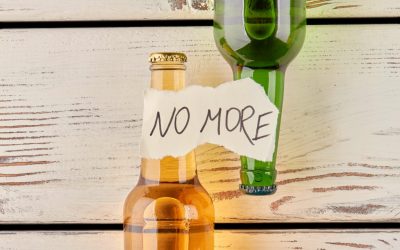
Think about what inspires you to drink and find something else to do in those situations where drinking would normally occur. This, says Hobelmann, could be everything from taking a walk to watching a Netflix show. If you drink when you’re lonely, pick up the phone and call a friend or make plans to do something social. Albertson has found that prioritizing yoga, meditation and walking on the beach has really helped as a drinking distraction for herself. You can also revisit an old hobby you once had, whether that’s playing a musical instrument or making art. Drinking less will give you more time to pursue these passion projects in general and can pave the way to help you find new hobbies and interests.
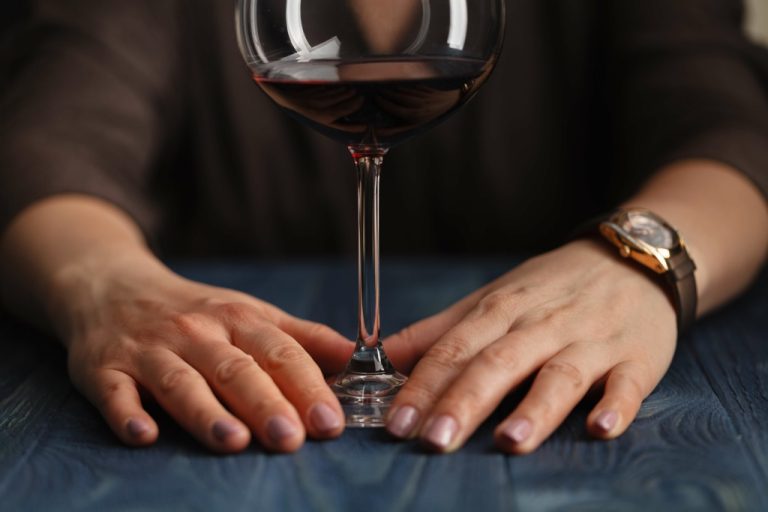
Reduced risk of certain cancers
“Lowering alcohol intake can help improve function, cognition and health,” says Deborah Freeland, M.D., an assistant professor in the Department of Internal Medicine at UT Southwestern Medical Center. Cutting back, she adds, can also help reduce one’s risk of falls, driving impairment and cognitive decline, which are already high-risk conditions in older adults. “Decreasing alcohol can also reduce risk of other medical issues like insomnia, high blood pressure, stroke, osteoporosis, obesity, anemia, liver disease, cancer, heart conditions, depression and electrolyte abnormalities,” adds Freeland. And alcohol, she warns, can also interfere with numerous medications, which can be problematic, so you may notice some improvements in how prescribed medications affect you.
In particular, she’s committed to helping decrease stigma around mental health issues. Many bars and restaurants are also expanding their non-alcohol or ‘mocktail’ offerings to include inventive drinks. Stepping back from regular drinking might also involve making different choices about how you spend your time. If getting drinks with friends or dates has traditionally occupied a lot of your time, you’ll need to determine how to navigate these situations. You can have concerns about your drinking habits even if you don’t meet the criteria for alcohol use disorder.